
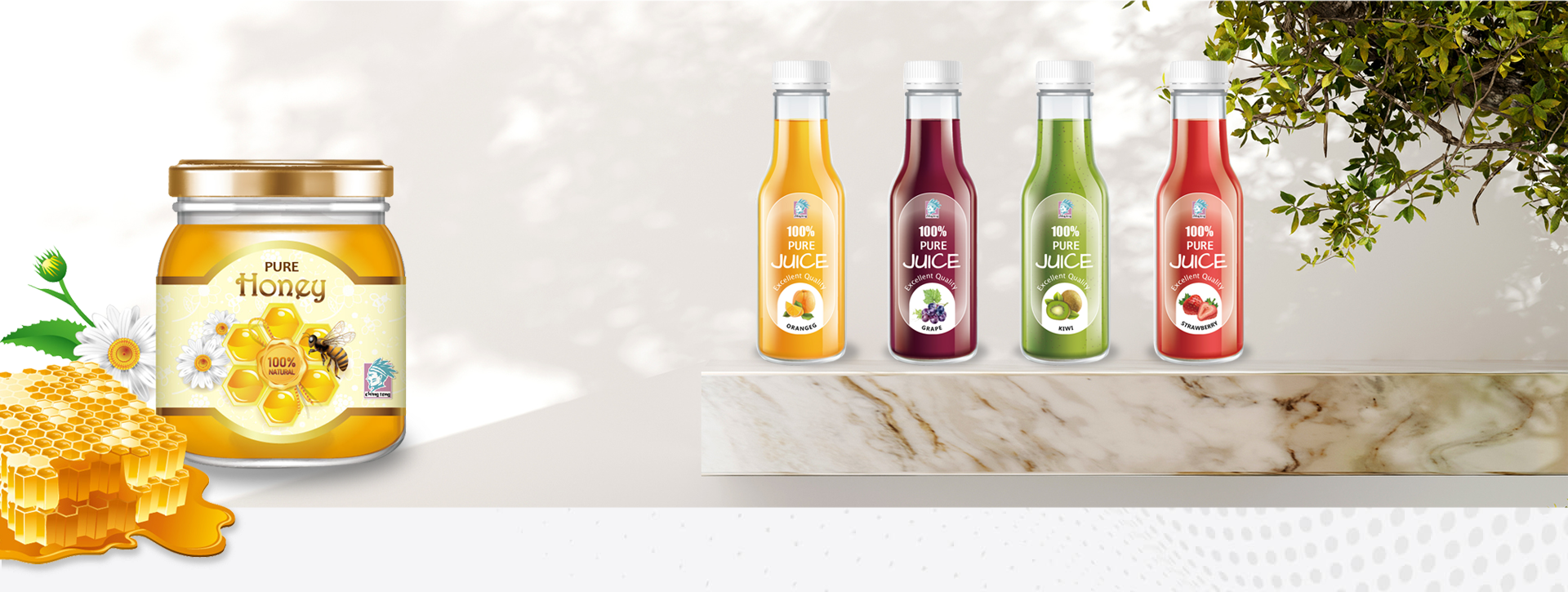
A: If the label will come into direct or indirect contact with food — for example, applied to the inner side of a container, the inner layer of transparent packaging, or fresh food packaging boxes — it is strongly recommended to use adhesive materials that comply with U.S. FDA requirements. This is not only a fundamental safeguard for food safety, but also helps brand customers provide clear compliance evidence when facing audits, export inspections, or consumer inquiries, reducing business risk while demonstrating a responsible commitment to consumer health.
A: The biggest challenge for frozen food labels is maintaining adhesive stability in low-temperature environments. Standard label adhesives tend to become brittle, curl at the edges, or peel off under sub-zero temperatures. Frozen food labels therefore require specially formulated plastic-based adhesives that maintain excellent adhesion under various low-temperature conditions, from liquid-nitrogen flash freezing to standard freezer storage, ensuring the label stays firmly attached and legible throughout the entire cold chain.
A: Yes. Fresh food frequently comes into contact with moisture or condensation during packaging, refrigeration, and thawing. If the label material is not waterproof, the printed text can smear or the paper can soften and tear. For fresh, health, and frozen food labels, Ching Teng offers optional waterproof materials that effectively resist moisture damage, keep labeling information clear and intact, and extend the label's usable life throughout the distribution chain.
A: Health supplement orders are typically large-volume, long continuous print runs. While standard CMYK four-color printing seems straightforward, the real challenge is maintaining color consistency over hours of continuous printing. Unstable ink delivery or inexperienced operators can easily cause color variation between batches. With years of professional experience and stable equipment, Ching Teng ensures that every roll and every batch of labels maintains the same color standard, meeting brand image requirements.
A: A die-cut with tear line is a die-cutting technique in which tiny pre-cut perforations are placed at specific points on a label or packaging bag. This lets consumers simply tear along the perforated line to open a plastic bag or label without needing scissors or other tools. This design is commonly used on refrigerated and fresh food packaging labels, balancing ease of opening with packaging integrity, and improving the overall consumer experience and product perception.
A: RoHS is an international directive restricting specific hazardous substances (such as heavy metals like lead, cadmium, and mercury) in electronic and consumer products. Label ink that complies with RoHS means its residual heavy-metal content is kept within safe limits, effectively reducing potential harm to human health and the environment. All inks used by Ching Teng comply with this standard, making them especially suitable for food, children's products, and packaging applications where safety is a top priority.