
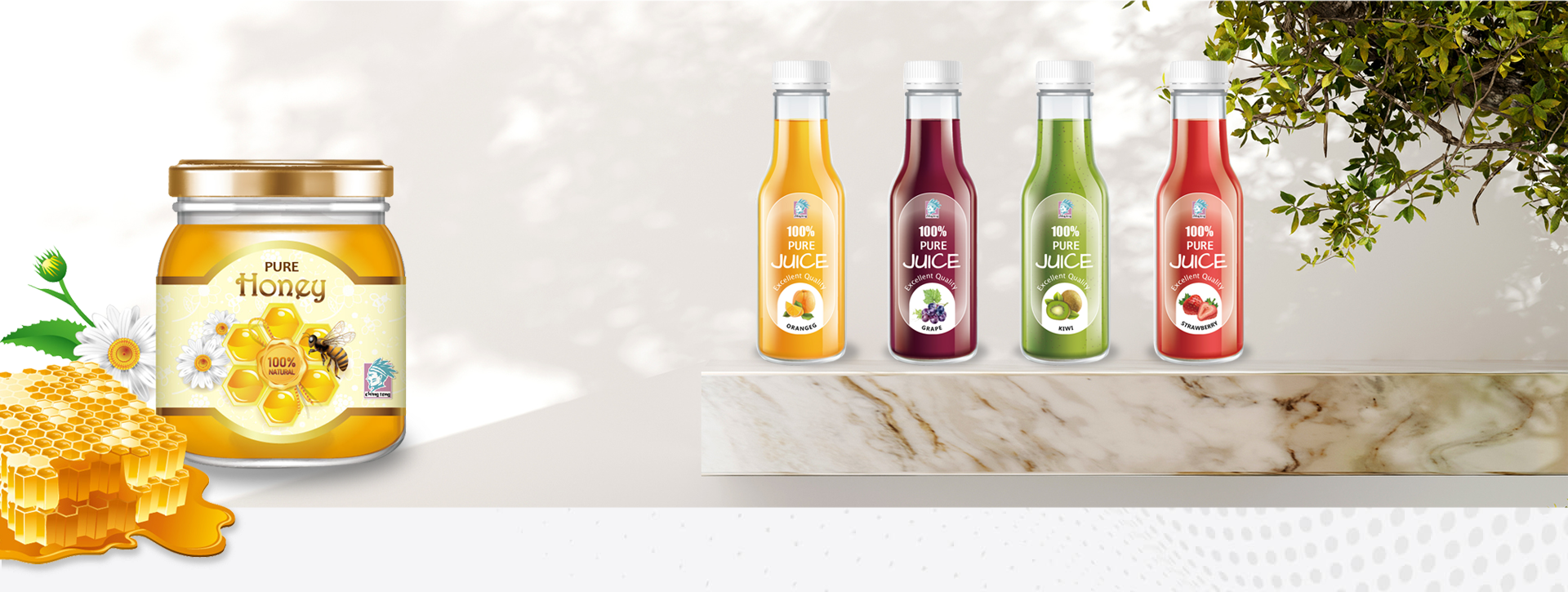
In general, frozen products cannot be labeled or peal off easy because of a layer of ice crystals on the surface.
We can provide suitable matieral paper,plastic or thermal paper to use in the low-temperature environments or have been quick freezing.
A small white spot, somewhat noticeable, sometimes random or appearing in the same location repeatedly. This issue may arise due to broken printing plates or dust adhering to the printing plates. Basic requirements include cleaning the printing area and maintaining proper air conditioning. Conducting sampling inspections during the printing process can reduce the occurrence of such problems.
Ching Teng ensures consistent and stable color quality in printing, meeting the needs of our customers.
In color printing, registration refers to the method of aligning overlapping colors on a single image. Correct registration of these colors is crucial for producing clear images. Even a slight misalignment of one of the four colors can result in a blurry printed image. The image on the right shows an example of misregistration, with the white and purple plates not accurately aligned.
ChingTeng's professional prepress graphic design and printing technicians, combined with automatic registration systems, create the best quality labels to convey the quality of your products.
There are some common reasons why labels may not adhere well to your bottles, tubes, or plastic containers, such as bubbles, edge lifting, wrinkles, and poor adhesion. What causes these issues? The first thing that comes to mind for users is "label quality." But is this the only factor contributing to these problems? First, you need to determine the following conditions.
What type of containers will the labels be adhered to? Are the labels applied manually or with an automatic labeling machine? What are the environmental conditions where the labels will be used? Transportation and storage conditions also play a role, along with other factors depending on your specific requirements.
Check your containers.
Always inspect your containers. Surfaces should be clean, dry, free from dust, and grease. Containers that are frequently handled by hand are often the main culprits for poor label adhesion. Inconsistent or asymmetrical molding of plastic and glass bottles and containers can also lead to some label fit issues.
Consider environmental factors.
The problem is often not the label itself, but the environment. Cold or humid bottles make it difficult for the adhesive to adhere and set properly. These issues become more common with seasonal changes, such as lower temperatures and humidity in winter. Whenever possible, use labels in dry, room temperature conditions.
Collaborating with experienced label printing factories can provide you with the best advice on materials, adhesives, and printing options, helping you create optimal label quality and avoid label issues.